As a child, I was captivated by my Nana’s stories. She was a Holocaust survivor from Czernowitz in the Austro-Hungarian empire. Over time, after many hours browsing online archives and chatting with researchers and survivors in the wonderful online community at https://czernowitz.ehpes.com, I traced the family back to the early 1800s in Sadagora, just north of Czernowitz.
The earliest family photo I’ve got is of my great-grandfather, Ioil ben Schmuel Schmatnik, proprietor of Galanterie Schmatnik, a shop selling general sewing supplies. The family lived in a grand home in Czernowitz.
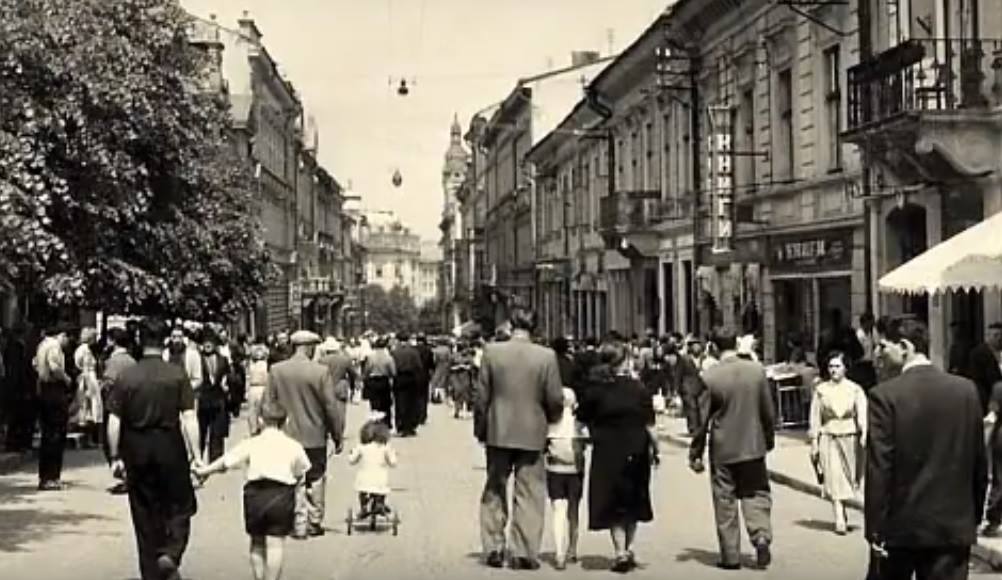
Czernowitz was a very liberated city, where Jews could find success and acceptance. Ettel would summer at the Black Sea with son Carl while her husband remained in town, a “grass widow” working while his family vacationed. Carl spoke and read in several languages when he was just a child – as an adult he was fluent in nine languages. I remember him telling me that he warned his parents of the danger looming for Jews in Eastern Europe, but life was so pleasant that it was hard to take the warnings seriously.
During the war, Carl pulled off some incredible escapes from labor and death camps in the area of Ukraine known then as Transnistria. I knew that he had made his way alone to Haifa, Mandatory Palestine, and had been reunited with his parents there in the mid-1940s. In Israel, the family changed their name to AlRoy.
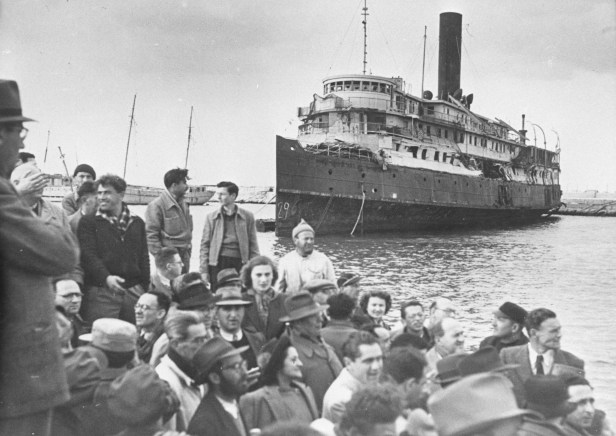
Now going by the name Gil Carl AlRoy, my dad worked in the diamond industry in Netanya and various odd jobs. Eventually, he fell into working for the American CIA in Israel. He came to the US on vacation and was introduced to my mother by a friend he met on the ship. My mother was born in Harrisburg, Pennsylvania to Isaac Wunch and Devora Pokuminski. She urged my father to finish his education, and he was able to enroll in City College.
My parents married in NYC in 1955 and had a reception in the home of my maternal grandparents. His perfect college record drew media attention and brought his survivor story to light. Later on, he achieved some fame as an international expert in Arab-Jew relations and wrote a number of books on the topic.


Ettel came to join her son. My grandfather Samuel died in Italy right before sailing, so Ettel arrived alone. She set up a hairdresser shop in NYC for some years and later came to live with us.
Some of my earliest memories are of the sounds and smells of Eastern Europe. Czernowitz was part of the Austro-Hungarian Empire, and German was the first language of its inhabitants until it became part of the Romanian Empire in 1920. My father and grandmother would argue in German and sometimes Yiddish and my grandmother would make exotic foods in the kitchen — some European, some Israeli, most of which I refused to taste: Schtav, a cold sorrel soup, Ikra, a fish roe salad, Babaganoush, much stew, and mushroom barley casserole. Food gathering was a fun weekend activity. There was a German butcher a half hour’s drive away and we would be there for what seemed like hours as the German language flowed and vast quantities of meat were purchased.

Esther Blei Schmatnik (AlRoy) with my maternal grandmother Devora Pokuminsky Delson
I would sneak out of bed at night and go to her room, where she held court in her colorfully patterned housecoat and blue hairnet. She would take a bottle of vodka out of a cabinet and pour herself a small drink, then sneak me hard candies. I’d get under the covers in her daybed and she would tell me stories of her childhood—rambling and disjointed stories I’ll never forget, in her heavy Eastern European accent. She’d tell me of growing up with sisters she loved and a strict father she despised, of poverty, of picking up coal on train tracks to bring home and burn. When pograms happened (well documented in Sadagora around 1919) her older sisters hid in the kitchen oven so the soldiers would not assault them. She also told pieces of stories from her adult life – of working in the movie studios when times were good, and from walking the streets looking for work when they were not. She would cry as she told me of her lost brothers and sisters.
My father died of cancer aged 60. All this time, I did not know that we were not alone. There was family. When I was pregnant with my daughter in 2008, I received an email from a cousin in Venezuela. I started researching with his help, then piecing together the story. I found others with the help of many wonderful online researchers and groups.
These blog entries are my family research, supplemented by history. I am attempting to place the slim facts I have within a historical framework. Learning about the Romanian Holocaust and life in Eastern Europe before 1940 has been fascinating. I have been lucky enough to connect with many fascinating elders and have integrated their stories where I have had their permission to do so.
Please enjoy this blog! It is a labor of love.
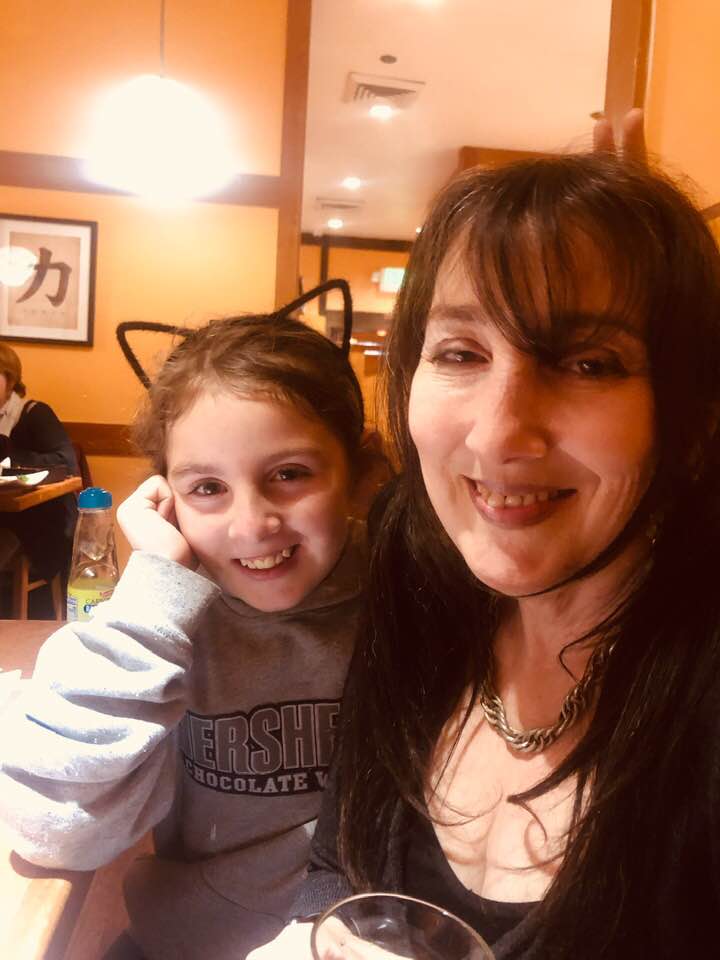
— Iris AlRoy


 Schmatnik.com
Leave a reply to Gyuchan jeon Cancel reply